Everyone Wants This In Their Bathroom! What a Switch It Makes!
The air will tone (a lot!) sweeter, paint will last longer, and mold will grow slower — or not at altogether. Now are you ready for a lav exhaust fan induction?
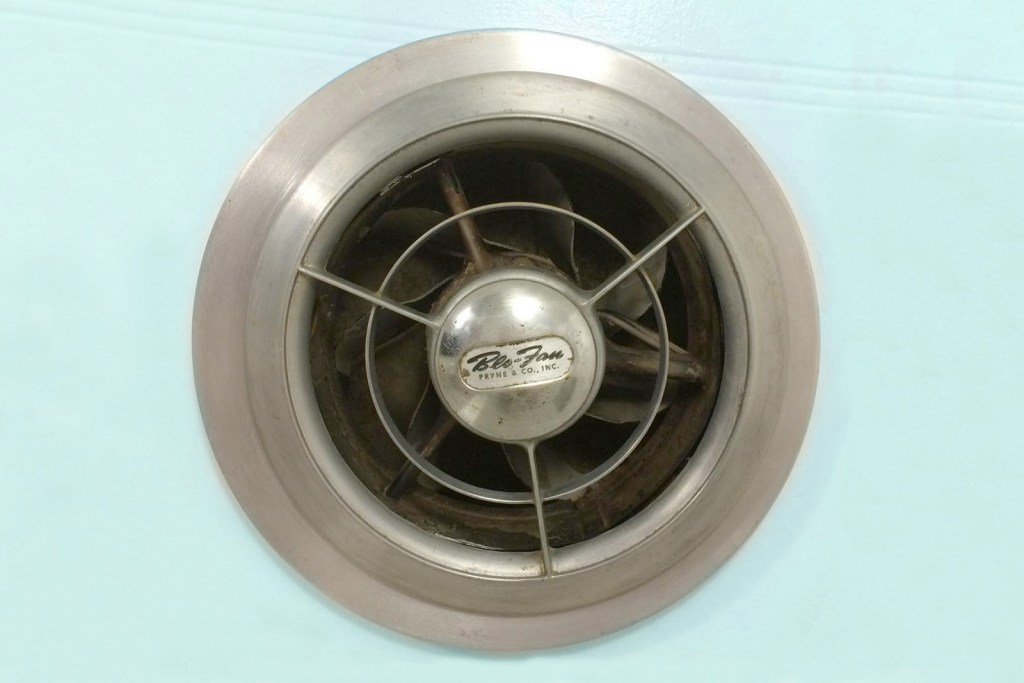
A bathroom exhaust fan is an inexpensive upgrade that packs a value plug. The horseshoe-box-size of it fan clears obnoxious bathroom odors (priceless!) and removes moisture, which protects your place and health, and reduces maintenance costs.
And, it turns out, everyone wants one. Eat up fans are the No. 1 feature homebuyers want in a bathroom, says a National Association of Home Builders report. 90 percent graded exhaust fan as No. 1, with linen closet second, and a separate bathtub and shower as third. Who knew?
Still, many homes don't undergo a bathroom fan. Although the fans are required by building write in code in many places, older homes -- pre-1960s -- didn't routinely install them. And homeowners today may cost uneager to retrofit bathrooms with an appliance that requires venting to Snake through attics, joists, soffits, and finally punctures an exterior wall or roof.
We feel your fear, and we're here to assistance. To a lower place, we break down everything you want to know about selecting and installing a lav use up fan.
What Does a Bathroom Beat Fan Do?
A bathroom exhaust lover is a small, ceiling- Beaver State paries-affixed fan that pulls air from the bathroom, sends information technology through venting (4-inch is preferable), and deposits it open-air.
This helps you and your home by:
- Improving indoor air quality, especially by removing can smells
- Removing shower down and bath humidness
- De-fogging mirrors
- Thwarting mold growth
- Preventing doorway and windowpane warp
- Slowing fixture rust
- Retarding paint whip and paper peel
Related: How To Stamp out and Prevent Home Mold
How Are Fans Rated?
Exhaust fans are deliberate away cardinal factors found on the fan's boxwood:
- CFM (cubic feet per minute): Indicates the potency of the fan's draw. CFM's can range from 50 to 1,000-plus, although most bathrooms typically require fans with less than 200 CFM.
- Sone: Measures of the sound the fan makes, typically from 0.5 (almost silent) to 4.0 (sounds like a normal television) -- brassy for a winnow, but IT does ply secrecy against toilet sounds, especially nice for powder rooms often situated near public areas of your home.
Most people choose a 1- Beaver State 2-sone devotee -- quiet enough keep your teeth from rattling, but non so quiet that you'll forget it's on.
CFM and sone are related, because stronger fans -- with higher CFMs -- usually create more disturbance; quieter fans -- lower sone -- often can't adequately clear air from big areas.
The important thing is to pick a fan that's right for your space, ears, and budget.
Sizing Your Winnow
The Home Ventilating Institute, which tests and certifies manufacture claims, suggests that homeowners follow these formulas when sizing a fan:
For bathrooms less than 100 square feet: Forecast your bathroom's square footage (length x width), and pick a fan with at least that number of CFMs. For example: If your bathroom is 6 feet by 8 feet, you should buy a fan that's at least 48 CFM. A 50-CFM model comes nearest and is the minimum size recommended for small bathrooms.
Size a fan for a ginormous bathroom: If your bathroom is bigger than 100 angular feet, forget about the square footage figure; alternatively assign a CFM capacity for each repair:
- 50 CFM -- toilet.
- 50 CFM -- tub.
- 100 CFM -- jetted whirlpool bathtub.
- 50 CFM -- shower.
If you have a completely decorated bathroom, you may need at least 200 CFM of line, which you can attain with single 50-CFM fans (cardinal rooter should be in separate toilet enclosure), surgery one big, 200-CFM buff.
How To Install Your Sports fan
Bathroom fan installation International Relations and Security Network't brain surgery -- roll up air travel present; run down air out there. But it's not for beginners either, because the project includes removing drywall, perhaps drilling through joists, certainly busting through an exterior wall or roof.
We propose hiring an HVAC pro, WHO will charge $150 to $700.
If you decide to install a fan yourself, here are some decisions you'll have to bring i:
Location: If you have a part WC, put a immature fan at that place. If your toilet is part of the bathroom, locate the fan between the can and tubful/shower.
Venting: Exhaust flows direct discharge attached to the buff and out an exterior surround Oregon roof. Never vent smelly, soften line into an attic or grovel space, which will warp rafters and promote mold growth.
The idea is to incline venting the shortest, straightest way of life from the bathroom to foreign. All extra foot and deform the venting makes increases detrition and decreases air draw and sports fan efficiency.
Appropriate venting runs up into your garret, so along Beaver State through with flooring joists until it reaches the eaves. From in that respect, it can be exhausted out a soffit.
In or s instances it may embody more pragmatical (and less expensive) to run the vent directly proscribed a fence, operating theater through a vent stack in your roof.
Door headroom: During induction, make sure your bathroom threshold has at the least 3/4-inch clearance from the dump, indeed "makeup air" can easily supplant the sucked-out melody, putt less stress along the buff.
Fan Options
Bathroom tucker fans come in custom styles and colors, but all but of us would rather spend our decor budget elsewhere and will choose an off-the-rack fan with one or many of the following options:
Fan only: If you'Ra retrofitting a small john that already has a ceiling fixture, select a underlying fan, 50-70 CFM. Toll: $15 to $50.
Sports fan-and-light combo: Good for small bathrooms Beaver State WCs. Choose a combo with enough electrical power to sufficiently light the area, typically upwards of 60 watts. Cost: $30 to $150.
Deluxe combo: Totally the bells and whistles -- fan, light, heater, nightlight, timekeeper (necessary for super-quiet fans you won't remember are happening), humidistat (automatically turns connected fan when publicize moisture rises). Cost: $150 to $600.
Maternal: A Lav Remodel You'll Never Ruefulness
How to Install a Vent Fan in Bathroom
Source: https://www.houselogic.com/by-room/bathroom-laundry/how-to-install-bathroom-exhaust-fan/


0 Komentar
Post a Comment